Why Modern Economics Needs This Book
Modern economics shapes policy, markets, institutions, finance, development, and public debate.
Yet it is often encountered in fragments: models, subfields, methods, schools of thought, and individual contributions.
This book begins from a different premise:
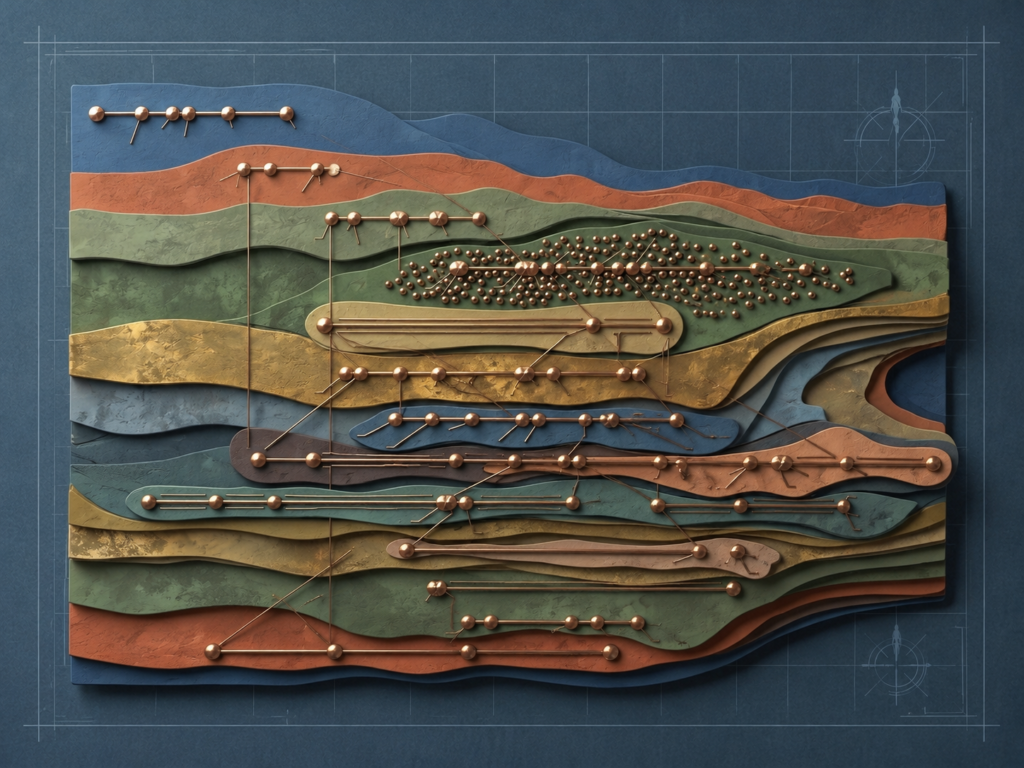
modern economics is not merely a collection of theories. It is an intellectual architecture.
The Architecture of Modern Economics reconstructs that architecture through the Nobel era, organizing modern economic thought around thirteen structural arcs:
I. From Philosophy to Precision
II. Allocation and Market Logic
III. Strategy and Interaction
IV. Information and Incentives
V. Rationality Under Cognitive Constraints
VI. Risk and Intertemporal Valuation
VII. Expectations and the State
VIII. The Credibility of Evidence
IX. Rules, Power, and Prosperity
X. Economic Growth
XI. Structural Transformation and Reallocation
XII. Welfare, Human Capital, and Measurement
XIII. Trade and Global Systems
Each arc represents a transformation in the constraints that govern economic reasoning.
Together, they show how economics became capable of explaining allocation, strategy, information, uncertainty, expectations, evidence, institutions, growth, development, welfare, and global interdependence.
This is not a conventional history of economic thought.
It is a constitutional map of how modern economics was built.
Read the Book
The Architecture of Modern Economics — A Constitutional Map of the Nobel Era
A structural reconstruction of modern economics through the Nobel era.